
A total of 80 questions were asked of the respondents. Conditional variables were used based on the answers given. For example, if the respondent indicated that they did not have a traditional tobacco history, the answer was recorded and moved on to the next section, bypassing the follow-up questions about tobacco history. Lending from previous versions of the survey, all the main categories were covered:
- Demographics
- Tobacco history
- Previous smoking cessation attempts
- Vaping devices
- E-liquids and flavours
- Nicotine
- Health
- Opinions
Given that this was an online survey, special attention was paid to the uniqueness of the respondents to prevent duplication. To participate in the survey, respondents would need to provide their mobile number to receive a one-time PIN. On successful entry of this PIN, the respondent was forwarded to the main survey section. Utilising format controls and previous responses to the survey, the email fields were used to fulfil the function that prevented duplication. Additional manual checks were conducted after the study closed, utilising a combination of demographic and personal detail fields to ensure no duplications were recorded in the analysis. A total of 5 responses were excluded from the final analysis.
All responses were stored on a SQL database, then linked to Microsoft Excel and Microsoft Power BI for data analytics. Built-in Formidable Form views and charts were used to track progress and system health at least twice daily during the survey duration.

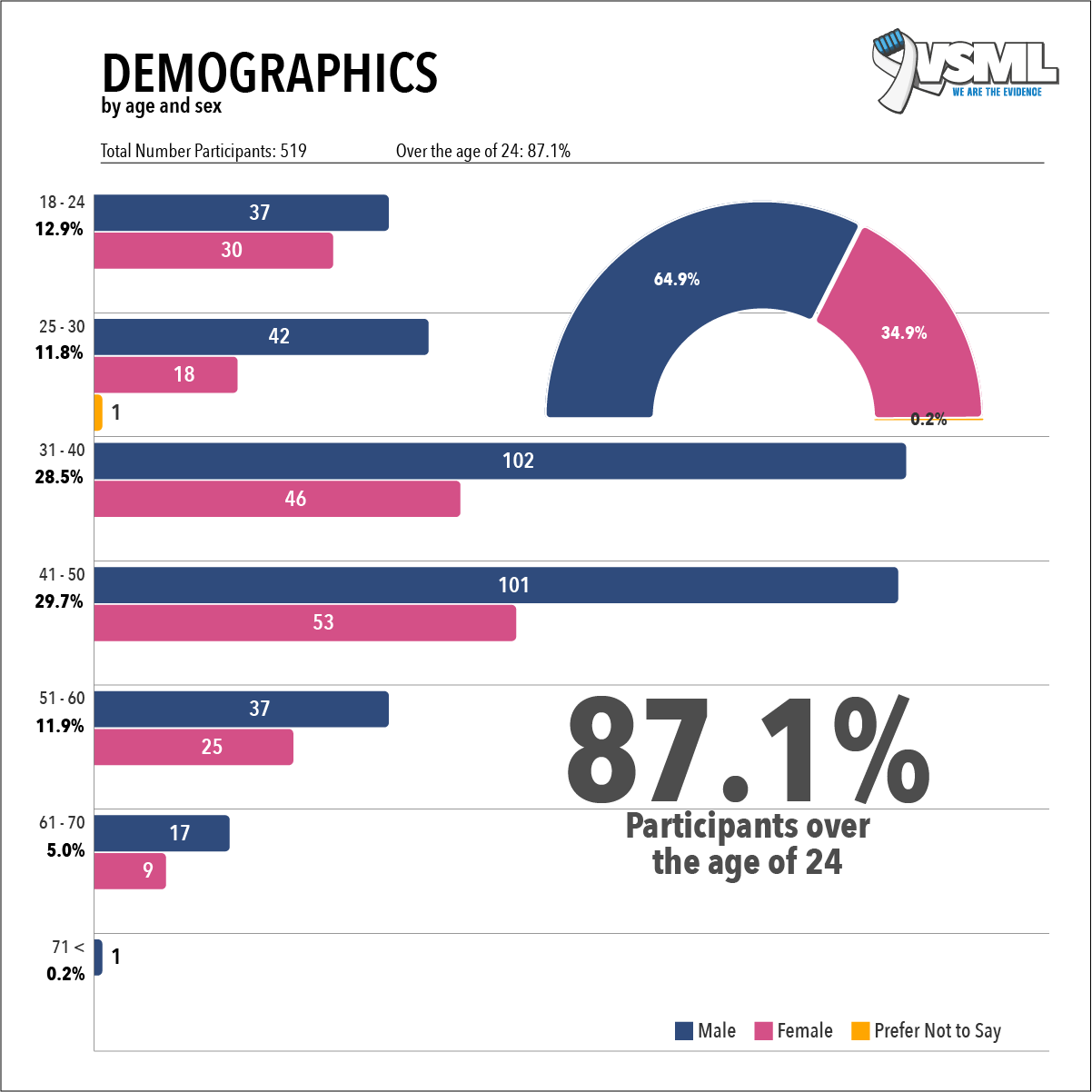
A total of 519 respondents participated in the Vaping Saved My Life (VSML) survey, providing insight into the experiences of people who use vaping products in South Africa. The majority of participants were male (64.9%), with females making up 34.9% and a single respondent (0.2%) preferring not to disclose their gender. The largest age group was those aged 41–50 years (29.7%), closely followed by 31–40 years (28.5%), showing that vaping is most common among adults in their 30s and 40s — many of whom likely have established smoking histories. Younger participants aged 18–24 years accounted for 12.9% of responses, while representation tapered off in the older age brackets, with just 5% aged 61–70 and one respondent aged 71–80. These findings reflect a predominantly adult population, consistent with other research showing that vaping is mainly taken up by adults seeking alternatives to smoking rather than by youth experimenting with nicotine products.
International evidence supports this trend — the UK Office for Health Improvement and Disparities (2023) and Public Health England’s prior reviews have consistently found that most adult vapers are current or former smokers using e-cigarettes to quit or reduce smoking. In South Africa, similar patterns are emerging, as shown in the South African Medical Research Council’s 2021 Global Adult Tobacco Survey, which indicated that adult smokers are increasingly aware of alternative nicotine products. The VSML demographic data therefore highlights an engaged adult population motivated by harm-reduction goals rather than initiation into nicotine use.
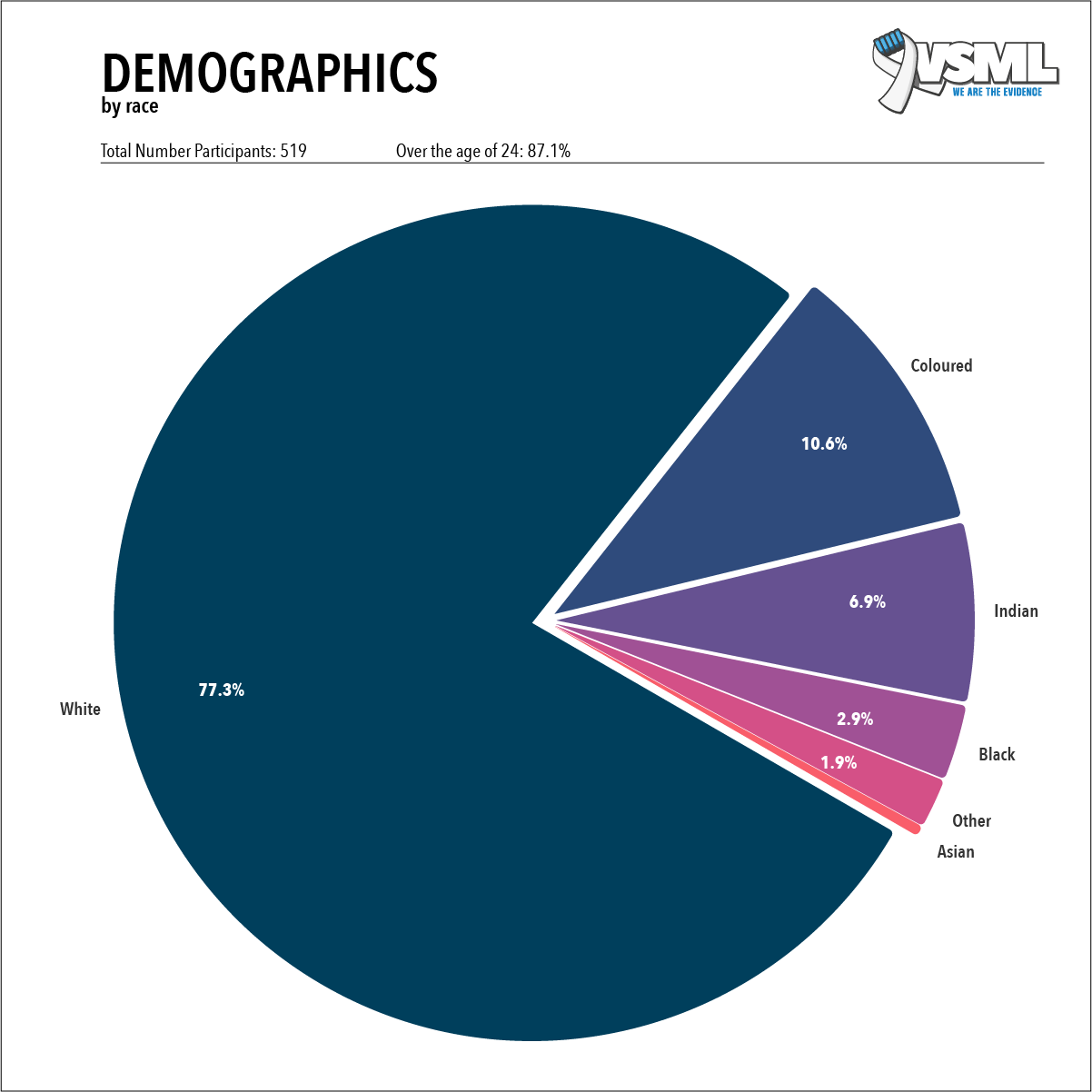
Among the 519 respondents, the overwhelming majority identified as White (77.3%), followed by Coloured (10.6%), Indian (6.9%), and Black African (2.9%) participants. Smaller proportions identified as Other (1.9%) or Asian (0.4%). Across nearly all racial categories, male respondents outnumbered female participants — for instance, among Indian respondents, 94% were male, and among Coloured participants, 74.5% were male. While this profile reflects the demographic composition of the Vaping Saved My Life (VSML) community, it also suggests that vaping communities in South Africa may currently be more active and visible within certain socio-economic groups, particularly those with higher access to vaping devices and online platforms.
The racial composition of the VSML survey mirrors broader inequalities in access to harm-reduction products in South Africa. Vaping devices and e-liquids remain relatively expensive, and limited retail availability outside urban centres has constrained uptake among lower-income and rural populations. According to the South African National Council on Smoking (SANCS) and findings from the Global Adult Tobacco Survey (2021), smoking prevalence is disproportionately higher among lower-income and Black African populations, yet these groups are least likely to have access to or awareness of reduced-risk alternatives like vaping. This underscores a key policy challenge: ensuring that tobacco harm-reduction strategies are equitable and inclusive, not limited to higher-income or digitally connected populations.
Evidence from international harm-reduction leaders — including the United Kingdom’s Office for Health Improvement and Disparities and New Zealand’s Ministry of Health — shows that when vaping products are affordable, accessible, and accurately communicated, they can help reduce tobacco-related harm across all demographic groups. South Africa’s regulatory framework therefore needs to balance consumer protection with accessibility, promoting a fair and inclusive harm-reduction approach that reaches those most affected by smoking-related disease.
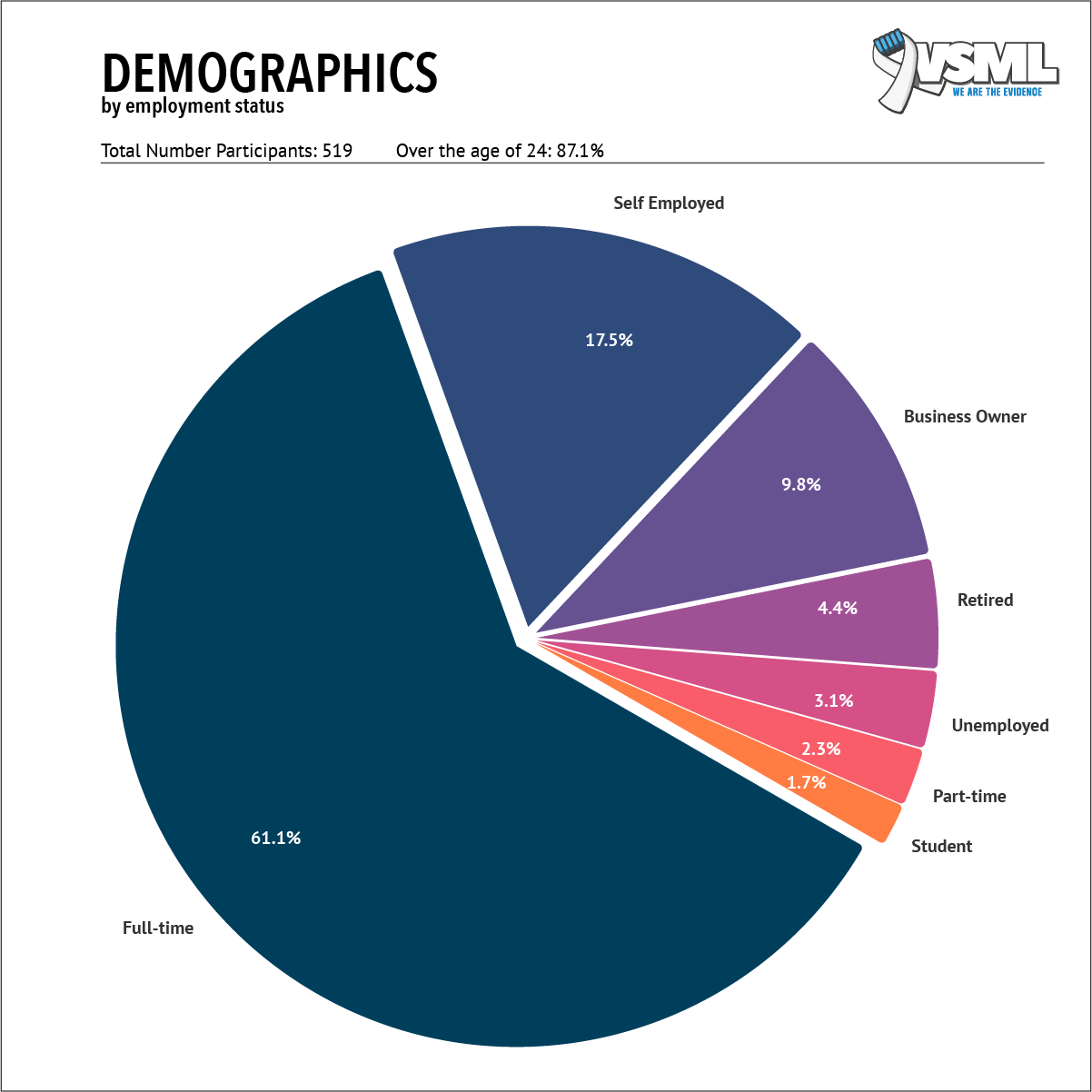
The VSML survey shows that the majority of participants were employed full time (61.1%), followed by self-employed individuals (17.5%) and business owners (9.8%). Smaller proportions were retired (4.4%), unemployed (3.1%), part-time employed (2.3%), or students (1.7%). As with other demographic categories, men were the majority across most occupational groups, particularly among business owners and full-time employees, whereas women were slightly more represented among retirees and part-time workers.
This occupational profile reflects a predominantly economically active, adult population, aligning with the earlier demographic data that showed vaping’s strongest representation among those aged 30–50 years. The pattern suggests that most VSML respondents are working adults who likely have disposable income and internet access, which are both prerequisites for adopting vaping — a product category that still carries higher entry costs compared to traditional cigarettes.
These findings reinforce the reality that access to safer nicotine alternatives in South Africa remains unevenly distributed. While vaping has become more common among middle-income and formally employed adults, cost and accessibility barriers may limit uptake among lower-income smokers — the very population groups that face the highest burden of tobacco-related disease. According to the World Health Organization (WHO) and South African Medical Research Council, over 40% of daily smokers in South Africa are in lower-income brackets, yet vaping products are often priced beyond their reach due to import duties, limited local manufacturing and excise tax on e-liquids.
From a policy perspective, this occupational breakdown highlights why tobacco harm reduction should be integrated into broader socioeconomic strategies. Reducing excise taxes on low-risk products, supporting local production of compliant devices and e-liquids, and ensuring access through legitimate retail channels could help close this gap. Evidence from New Zealand’s “Smokefree Aotearoa 2025” strategy and the UK’s “Swap to Stop” initiative demonstrates that when governments enable affordable access to reduced-risk products, smoking rates decline fastest among working-class populations.
The majority of VSML survey participants were based in Gauteng (43.7%) and the Western Cape (24.7%), together accounting for more than two-thirds of the total responses. Smaller proportions were reported from the Free State (7.3%), KwaZulu-Natal (6.7%), Mpumalanga (3.7%), and the North West (3.1%) provinces, with less than 3% each from the Eastern Cape, Northern Cape, and Limpopo. Notably, 3.5% of respondents were located outside South Africa, reflecting the VSML platform’s modest but growing international reach. The gender distribution within each province closely mirrored the overall pattern — predominantly male respondents (averaging 65%) with females making up roughly one-third across most provinces.
From a policy standpoint, this geographic pattern underscores the importance of broadening access to safer nicotine alternatives beyond urban centres. Public health outreach and regulatory frameworks should aim to include rural and low-income regions, where smoking prevalence often remains high but access to reduced-risk products is scarce. Research from the South African National Council on Smoking (SANCS) and the Global Adult Tobacco Survey (2021) shows that smoking rates are particularly entrenched in lower socioeconomic and rural populations — the very groups that could benefit most from harm reduction strategies. Learning from international models like New Zealand’s community-based “Vape to Quit” initiatives, South Africa could extend similar localised education and access programmes to ensure vaping as a harm reduction tool is inclusive, not exclusive to urban elites.
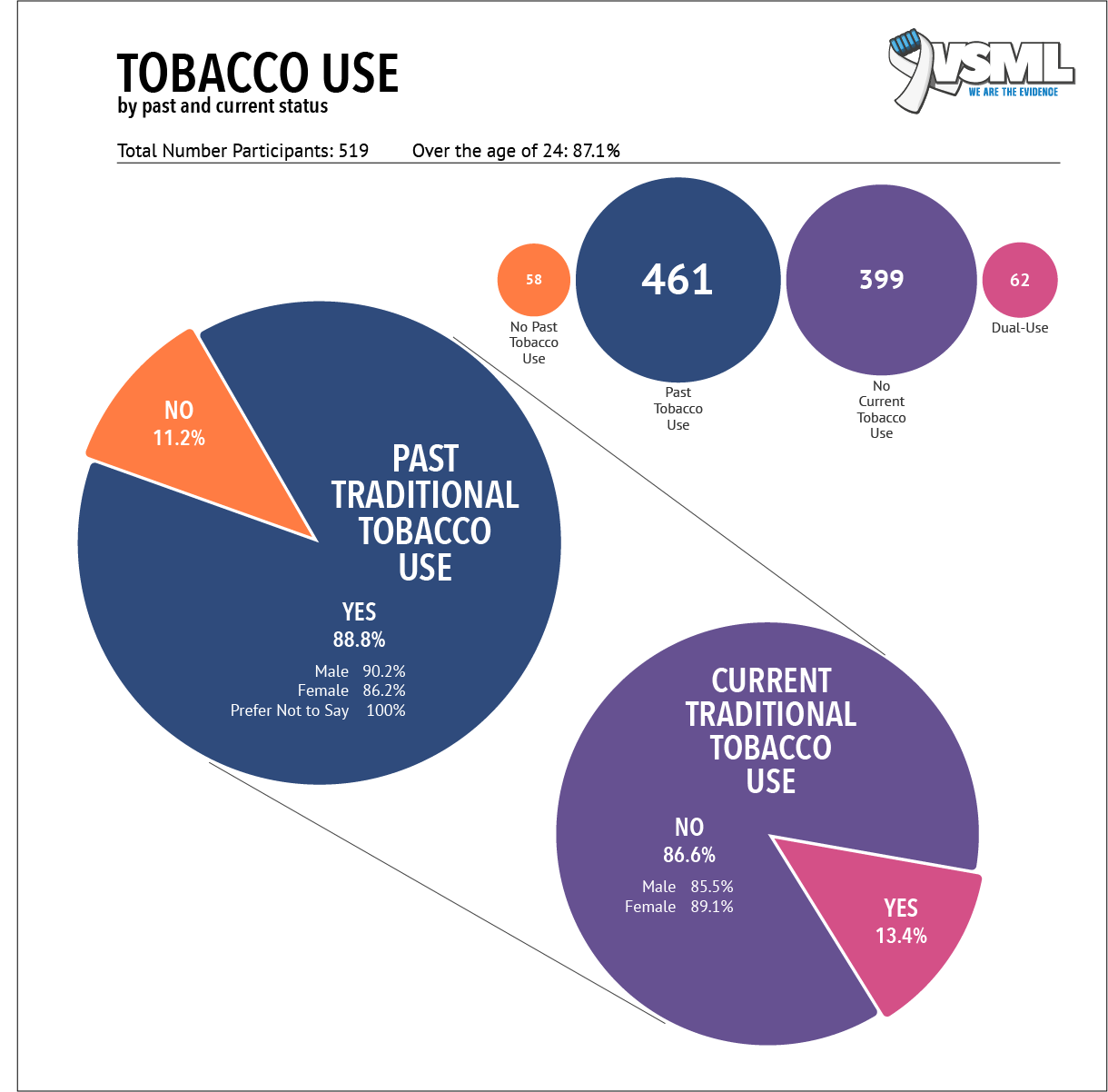
Nearly all participants in the VSML survey reported a history of regular tobacco use, confirming that the vaping community represented in this study is overwhelmingly composed of former or current smokers rather than nicotine-naïve individuals. Specifically, 88.8% of respondents had smoked cigarettes or other tobacco products before taking up vaping, while only 11.2% said they had never been regular smokers. This finding dispels a persistent misconception — that vaping attracts large numbers of non-smokers — and supports the evidence that vaping primarily serves as a harm reduction pathway for those already addicted to combustible tobacco.
When participants were asked whether they still consumed traditional tobacco, 86.6% said no, indicating that the vast majority had completely transitioned away from smoking. Only 13.4% identified as dual users, continuing to use both vaping and combustible tobacco. This low rate of dual use aligns with international findings showing that many smokers use vaping as a bridge to full cessation, rather than maintaining both behaviours indefinitely. Encouragingly, women in the survey were slightly more likely than men to have quit smoking entirely (89.1% vs 85.5%), suggesting that vaping may be equally effective as a harm reduction tool across genders.
Across racial groups, the quitting trend was consistent, though particularly high among Indian (97.2%), Coloured (89.1%), and White (88.8%) participants — likely reflecting greater access to vaping products and information within these communities. By contrast, Black African respondents showed a lower cessation rate (66.7%), echoing the socioeconomic disparities seen elsewhere in the survey. This gap underlines the importance of making harm reduction strategies accessible and affordable to all South Africans, especially populations with higher smoking prevalence and limited exposure to cessation alternatives.
These findings reinforce a growing body of global and local research demonstrating that vaping is largely adopted by smokers seeking to quit or reduce harm, not by non-smokers. For example, Public Health England’s evidence reviews have repeatedly found that nearly all adult vapers are current or former smokers, and that switching to vaping can lead to substantial reductions in smoking rates. The Cochrane Review (2024) similarly concluded that nicotine e-cigarettes are more effective for smoking cessation than traditional nicotine replacement therapies.
In the South African context, where approximately 11 million adults smoke and cessation success rates remain low, this data is particularly significant. It suggests that vaping is already functioning as an informal public health intervention, helping smokers quit despite a lack of institutional support or clear regulatory distinction from tobacco products.
Policymakers should take note: with nearly nine in ten vapers being ex-smokers and only one in ten continuing to smoke, the VSML findings strongly argue for a risk-proportionate regulatory approach. This would mean recognising that e-cigarettes are fundamentally different from combustible tobacco, ensuring that taxation, packaging, and access laws reflect their reduced risk profile. Doing so could accelerate the decline in smoking prevalence while maintaining safeguards against youth uptake.
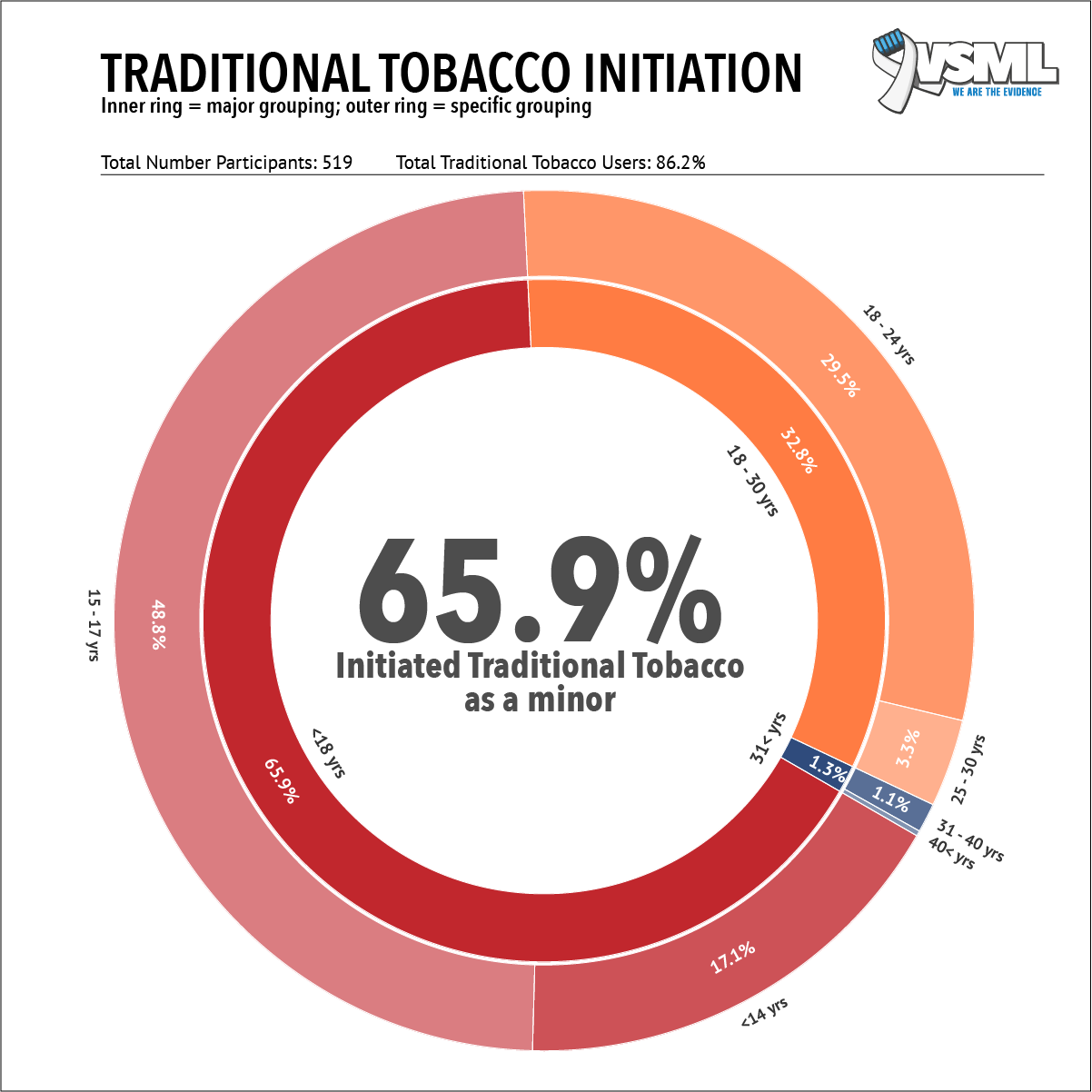
The VSML survey revealed that most participants began smoking during adolescence — a period well known for experimentation and vulnerability to addiction. Nearly half of all respondents (48.8%) reported that they first smoked between the ages of 15 and 17, while a further 17.1% began even earlier, between 5 and 14 years old. This means that roughly two-thirds of the surveyed vapers started smoking before reaching adulthood. Another 29.5% began between 18 and 24 years, reflecting continued initiation into early adulthood, while only a small minority (4.6%) reported starting after age 25.
Gender patterns were broadly similar: males were slightly more likely to have started smoking at an earlier age, while females tended to start later, with 37% of women reporting initiation between 18 and 24 compared to 26% of men. The overall picture is one of early nicotine exposure, a finding that aligns with national and global trends — most smokers begin in their teenage years, often long before the full health consequences of tobacco use are understood.
The fact that the majority of respondents began smoking so young highlights the failures of traditional tobacco control measures to prevent youth initiation — a reminder that prohibitions alone have not been sufficient to stem adolescent uptake. According to the Global Youth Tobacco Survey (GYTS) and World Health Organization (WHO) data, South Africa continues to face high rates of youth experimentation with tobacco, particularly in the 13–17 age bracket. Many of these individuals later become long-term smokers, underscoring the urgent need for realistic harm-reduction pathways once addiction takes hold.
From a policy perspective, these results emphasise that most adult vapers were already nicotine-dependent well before vaping products existed. This contradicts claims that vaping “creates new nicotine users.” Instead, it shows that vaping is reaching those already addicted, offering them a safer alternative later in life. Strengthening age restrictions for vaping products is important, but it should not come at the cost of restricting adult access to less harmful alternatives that could help them escape the smoking cycle that began in adolescence.
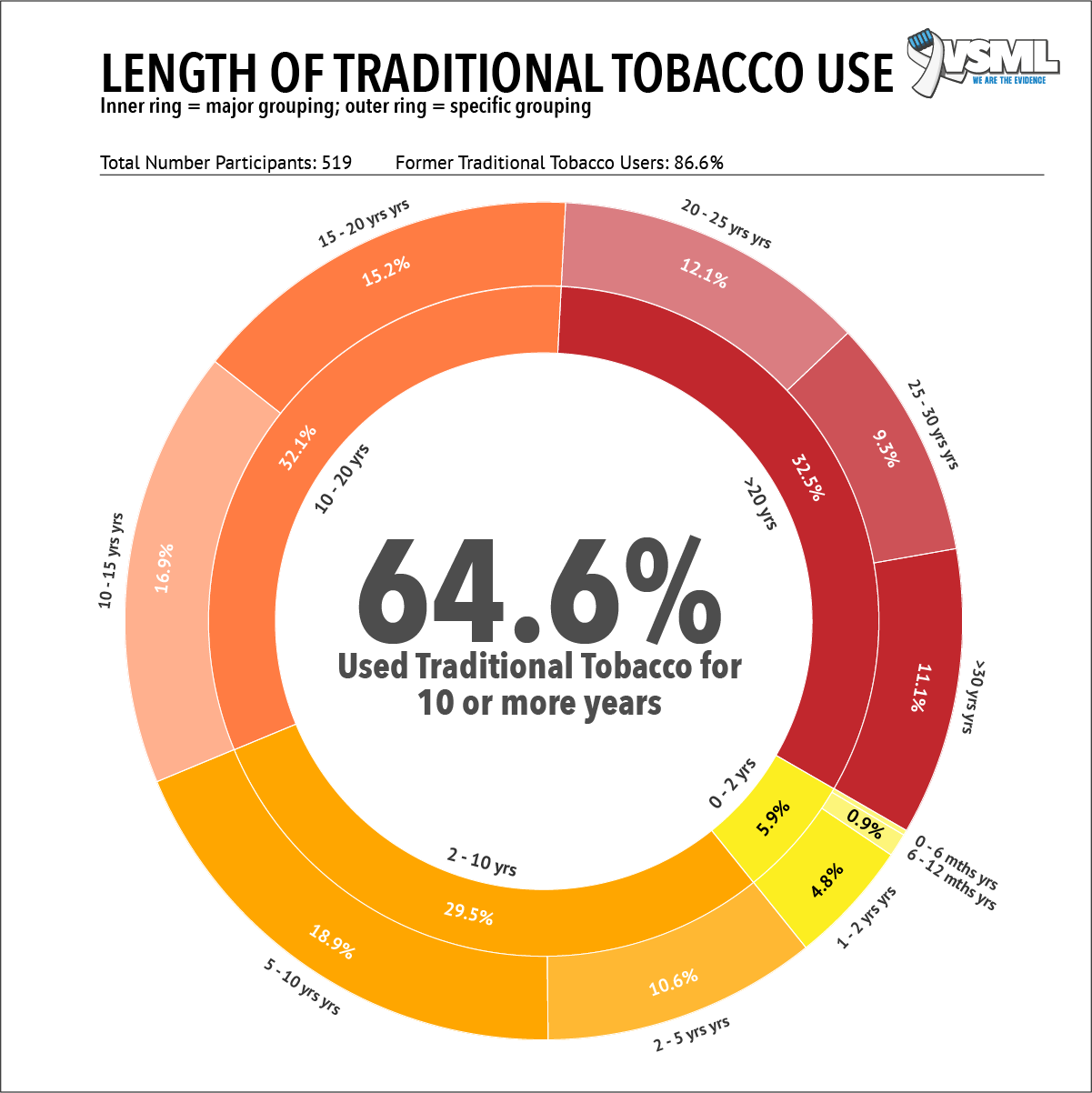
The VSML survey results show that most respondents had long-term smoking histories before they transitioned to vaping, underscoring the depth of nicotine dependence among participants. The largest group — 18.9% — reported smoking for 5 to 10 years, while another 16.9% smoked for 10 to 15 years. A further 15.2% smoked for 15 to 20 years, and 11.1% had smoked for more than 30 years. Collectively, over 70% of respondents smoked for five years or longer, illustrating that vaping is primarily being adopted by people with decades of smoking experience, not by casual or short-term smokers.
Gender patterns were again broadly similar, with both men and women showing long-term engagement with tobacco. However, slightly more women (19.2%) than men (13.2%) reported smoking for 15–20 years, which may reflect cohort differences or access to cessation tools. Very few respondents (less than 2%) had smoked for under a year, reinforcing the finding that vaping is rarely a point of initiation — rather, it is a substitution behaviour among established smokers.
This data offers a compelling counterpoint to one of the most common misconceptions in the public discourse: that vaping attracts non-smokers. In reality, the VSML findings confirm what international evidence has long demonstrated — that vaping is predominantly used by people with extensive smoking histories who are seeking to quit or reduce harm. Studies by Public Health England (2023) and Cochrane (2024) have shown that most vapers are middle-aged adults with an average smoking duration exceeding a decade before switching.
From a public health perspective, this pattern carries two important implications for South Africa:
Vaping is serving the population that needs harm reduction the most — long-term smokers at greatest risk of tobacco-related illness.
Regulatory approaches should recognise this consumer profile by facilitating, not obstructing, access to safer alternatives.
For individuals who have smoked for 10, 20, or even 30 years, the ability to switch to a much lower-risk product like vaping can be life-changing. Yet, if vaping is regulated as strictly as combustible tobacco — through punitive taxes, flavour bans, or advertising prohibitions — these very smokers could be discouraged from making the switch.
International experiences show the opposite approach yields better outcomes: the UK’s “Swap to Stop” initiative and New Zealand’s “Smokefree Aotearoa 2025” framework both target long-term smokers, encouraging them to transition to e-cigarettes with government support. South Africa could adopt similar evidence-based, harm-reduction-oriented strategies to reach the millions of entrenched smokers for whom vaping may represent their best chance to quit.
Before switching to vaping, most participants in the VSML survey reported extensive use of various traditional tobacco products. Just over half of all respondents (52.1%) indicated they had used multiple types of tobacco, suggesting a pattern of poly-tobacco use, while the remaining 47.9% had used only one form. This diversity in tobacco use reflects the entrenched and adaptable nature of nicotine addiction, as many smokers experimented with different products in search of satisfaction, affordability, or convenience.
Among specific product types, factory-made cigarettes dominated overwhelmingly — used by 95.2% of all respondents — confirming that combustible cigarettes remain the central driver of nicotine dependence and tobacco-related disease. Beyond cigarettes, 29.7% had used cigars, 29.5% reported using hookah or water pipes, 22.6% had rolled their own tobacco, and 15.8% had smoked pipe tobacco. A small proportion (3.3%) used snuff. Gender differences were pronounced: men were more likely than women to report using multiple product types, cigars, pipe tobacco, and hookah, while women’s tobacco use was more concentrated around cigarettes.
These patterns illustrate that most VSML respondents were deeply embedded in traditional smoking culture before turning to vaping — many had explored a wide range of combustible products over years or decades of use.

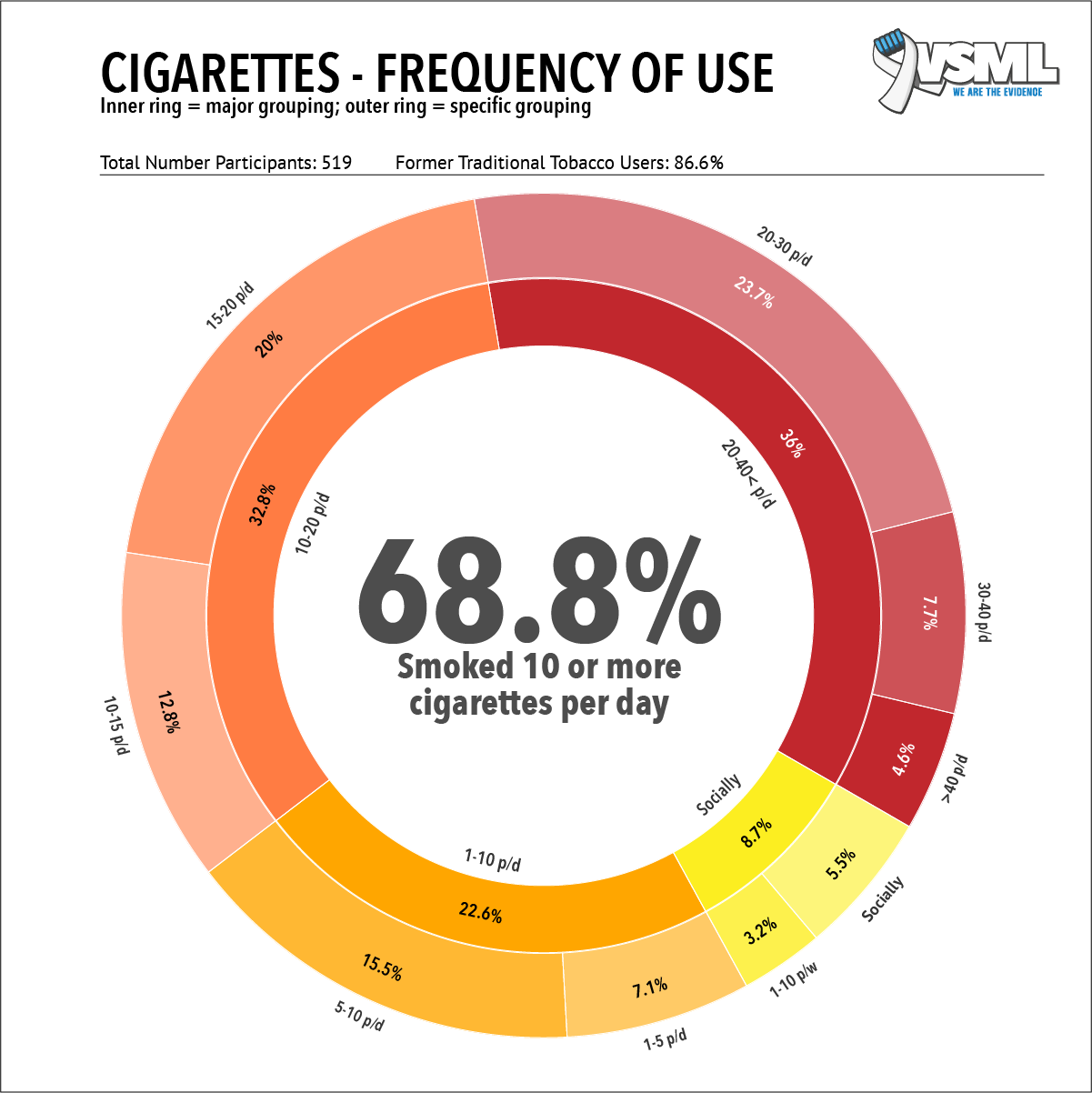
Given that cigarettes were by far the most common tobacco product used among respondents, the VSML survey examined smoking intensity to better understand their prior nicotine dependence. The results indicate that most participants were heavy daily smokers before transitioning to vaping. Nearly a quarter (23.7%) smoked 20–30 cigarettes per day, while another 20.0% reported smoking 15–20 per day. A further 12.8% smoked 10–15 cigarettes per day, and 7.7% consumed 30–40 cigarettes daily. Alarmingly, 4.6% smoked more than two packs (40+) per day — a level of consumption associated with severe nicotine dependence and elevated risk for chronic disease. In total, almost two-thirds of participants (68%) smoked more than a pack a day.
Lighter smoking patterns were relatively rare: only 5.5% described themselves as social smokers, and just 10.3% smoked fewer than five cigarettes per day. Women were somewhat more represented in the mid-range smoking categories (10–20 per day), while men were more concentrated among the heaviest users. This distribution underscores that most VSML respondents were long-term, high-consumption smokers, making their later transition to vaping especially significant from a harm-reduction perspective.
These consumption figures are consistent with established research showing that heavy smokers are among those least likely to succeed using traditional cessation aids such as patches, gum, or medication — yet they often achieve meaningful success with vaping. The Cochrane Review (2024) and Public Health England’s evidence updates (2023) both confirm that nicotine e-cigarettes significantly increase quit rates compared with conventional nicotine replacement therapy, particularly among those with high daily cigarette intake.
From a policy lens, these findings should refocus attention on supporting heavy smokers, rather than stigmatising or restricting the tools they find most effective. In South Africa, an estimated 11 million adults continue to smoke, many at comparable consumption levels, with cessation success rates remaining low. This group stands to gain the most immediate public-health benefit from switching to smoke-free alternatives.
If legislation such as the Tobacco Products and Electronic Delivery Systems Control Bill (B33-2022) imposes excessive restrictions or taxation on vaping products, it risks discouraging precisely the group most in need of harm reduction — long-term, heavy smokers who have already tried and failed to quit through other means. Recognising vaping as a practical solution for this population could help drive smoking prevalence down more effectively than prohibitionist measures ever have.
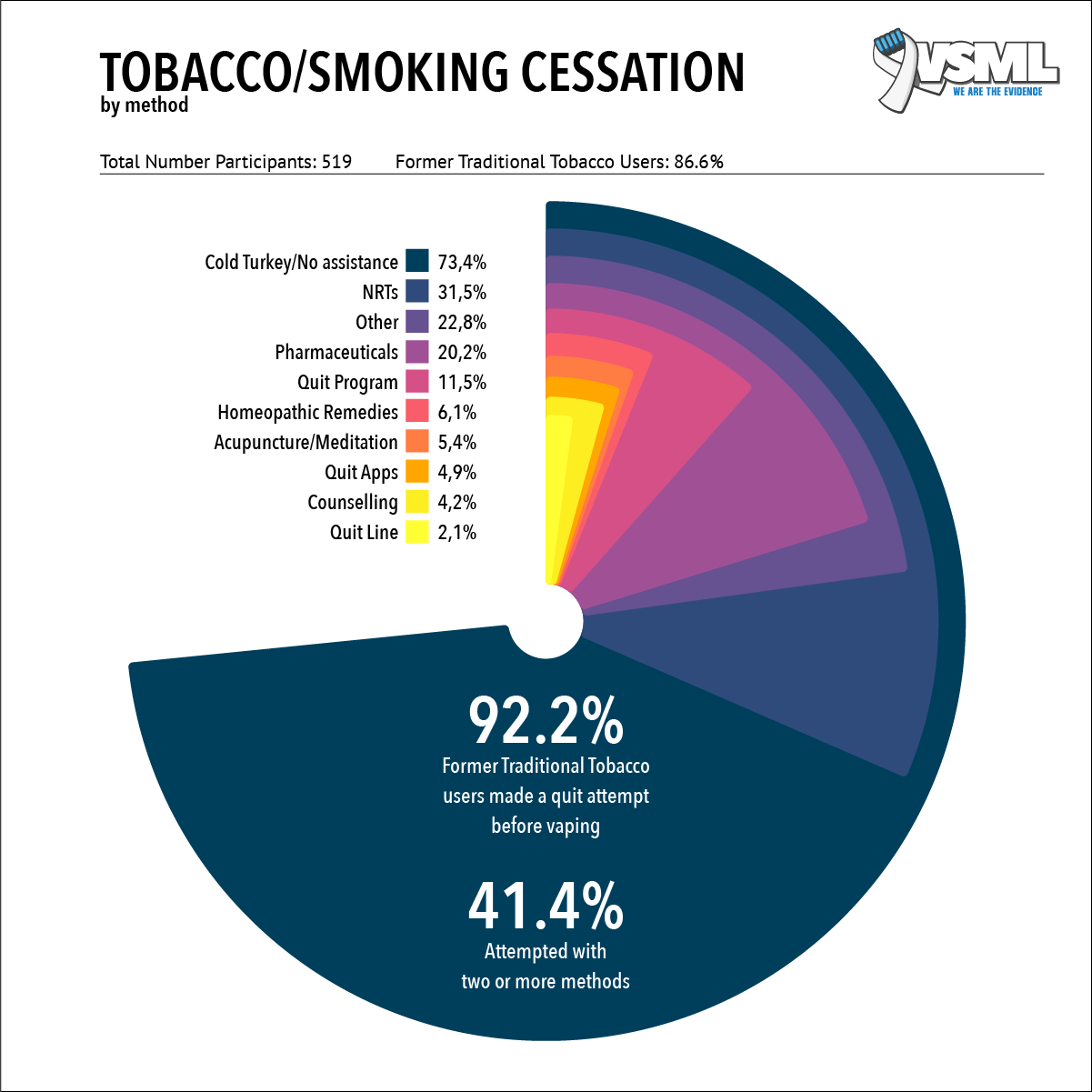
The overwhelming majority of VSML participants (92.2%) reported that they had tried to quit smoking at least once before switching to vaping, while only 7.8% said they had never made a quit attempt. This finding reflects a population of smokers who were motivated but unsuccessful in their previous efforts, highlighting the persistent challenge of nicotine addiction.
Interestingly, despite such high motivation, only 35.7% of respondents had ever been advised by a medical professional to quit smoking, while nearly two-thirds (62.2%) said they had never received such advice. This lack of clinical intervention underscores a gap in South Africa’s healthcare approach to smoking cessation. For a behaviour responsible for roughly 44 000 deaths per year in the country, the low rate of doctor-initiated cessation support points to a missed opportunity within the healthcare system.
Men and women showed similar patterns — over 90% in both groups had previously attempted to quit, yet fewer than 40% recalled a healthcare provider recommending cessation.
Most participants in the VSML survey had made at least one serious attempt to quit smoking before discovering vaping, often trying multiple methods without long-term success. The most common approach was quitting “cold turkey” or without assistance, reported by an overwhelming 73.4% of respondents. This method — though simple and cost-free — is typically associated with low success rates, which helps explain why many participants eventually turned to alternative nicotine products.
About one-third (31.5%) had tried nicotine replacement therapies (NRTs) such as patches, gums, sprays, or lozenges, and one in five (20.2%) reported using prescription pharmaceuticals like Zyban (bupropion) or Champix (varenicline). Smaller proportions had attempted formal quit programs (11.5%), homeopathic remedies (6.1%), acupuncture or meditation (5.4%), quit-smoking mobile apps (4.9%), counselling (4.2%), or quit lines (2.1%).
Gender patterns were broadly similar, though women were slightly less likely to have tried cold turkey and slightly more likely to have used structured or supportive approaches. Overall, the results paint a clear picture: the majority of smokers in this community made multiple unsuccessful attempts using conventional cessation methods before ultimately turning to vaping.
This data echoes decades of public-health research showing that most smokers try repeatedly to quit but fail with traditional tools alone. The World Health Organization and Cochrane Collaboration (2024) both report that unaided quit attempts succeed in only about 3–5% of cases after 12 months. Even with nicotine-replacement therapy or medication, real-world success rates rarely exceed 10–15%. In contrast, nicotine e-cigarettes have been shown to roughly double quit rates compared to NRTs in randomised controlled trials.
For South Africa — where more than 11 million adults smoke and where smoking-related disease remains a major health burden — these findings carry profound implications. They show that smokers are not unwilling to quit, but that the existing cessation toolkit is insufficient for many long-term users. Many respondents found vaping only after years of frustration with other methods, which speaks to the need for greater clinical and policy recognition of vaping as a harm-reduction option.
Rather than viewing vaping as a threat, policymakers could see it as a “third pathway” — alongside prevention and cessation — that offers addicted smokers an achievable route to reduce harm. Countries like the United Kingdom and New Zealand have successfully adopted this model by integrating vaping into cessation programs and public-health campaigns. If South Africa were to follow suit, incorporating harm reduction into both medical and regulatory frameworks, it could empower millions of smokers to finally quit combustible tobacco and dramatically improve national health outcomes.
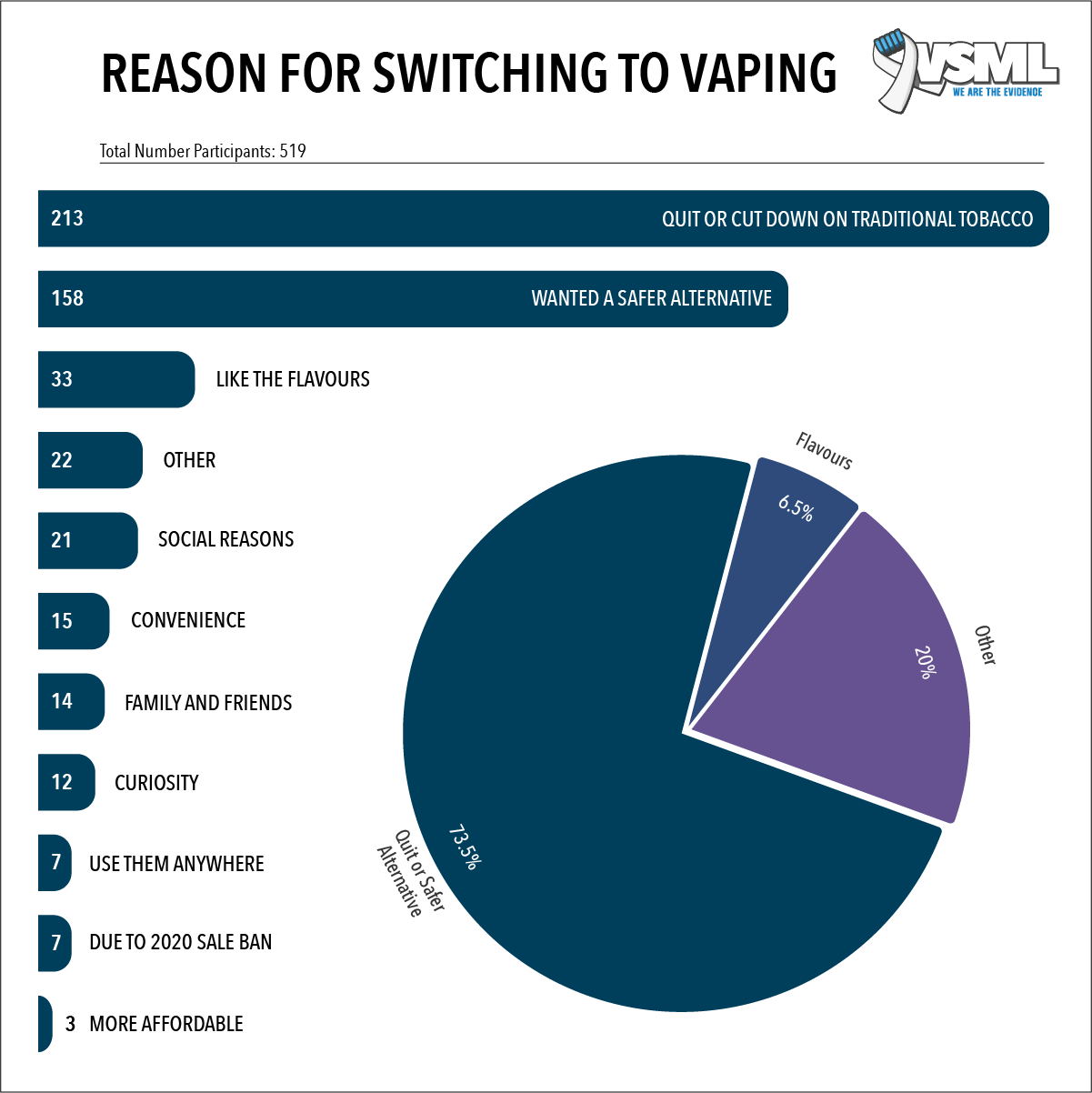
When asked why they first decided to start vaping, the majority of VSML participants cited smoking cessation or harm reduction as their main motivation. Over four in ten respondents (42.2%) said they began vaping because they wanted to quit or cut down on traditional tobacco, while another 31.3% said they were seeking a safer alternative to smoking. Combined, this means nearly three-quarters (73.5%) of participants started vaping for explicitly harm-reduction reasons — a powerful indicator that vaping is being used primarily as a quit-smoking tool, not as a novelty or recreational product.
A smaller share of participants were drawn to vaping for secondary reasons: 6.5% said they were motivated by flavours, 4.2% by social factors such as the absence of smoke or smell, and 3% cited convenience and ease of use. Very few mentioned curiosity (2.4%), peer influence (2.8%), or cost (0.6%) as primary reasons. Interestingly, 1.4% referenced the 2020 South African tobacco and e-cigarette sales ban during lockdown as a trigger for trying vaping — suggesting that supply disruptions and restrictions may have indirectly pushed some smokers to explore alternative nicotine sources.
Across genders, the patterns were remarkably consistent: both men and women overwhelmingly cited smoking cessation and safety as their primary reasons for switching, indicating that vaping appeals to smokers across demographic divides who are consciously seeking a healthier alternative.
These findings resonate strongly with international evidence showing that the majority of adult vapers are current or former smokers using e-cigarettes for harm reduction. For instance, Public Health England’s 2023 evidence review reported that 93% of UK adult vapers either currently smoke or used to smoke, and that “quitting or reducing cigarette use” remains the most common reason for vaping. Likewise, a 2024 Cochrane Review confirmed that vaping substantially increases quit rates compared to other cessation methods.
In South Africa, where the Tobacco Products and Electronic Delivery Systems Control Bill (B33-2022) still fails to distinguish between cigarettes and e-cigarettes, these data highlight a major policy oversight. The VSML findings make it clear that vaping is not a youth-driven or recreational trend, but a consumer-led quit movement driven by adult smokers seeking to reduce harm. Treating these products as equivalent to tobacco — via heavy taxation, flavour restrictions, or advertising bans — risks undermining one of the few genuinely effective tools helping South Africans quit smoking.
If policymakers embrace a risk-proportionate framework, vaping could be strategically integrated into national cessation and harm reduction programmes, much like in the United Kingdom and New Zealand. Doing so would acknowledge that most vapers are not starting a new habit — they’re escaping a deadly one.
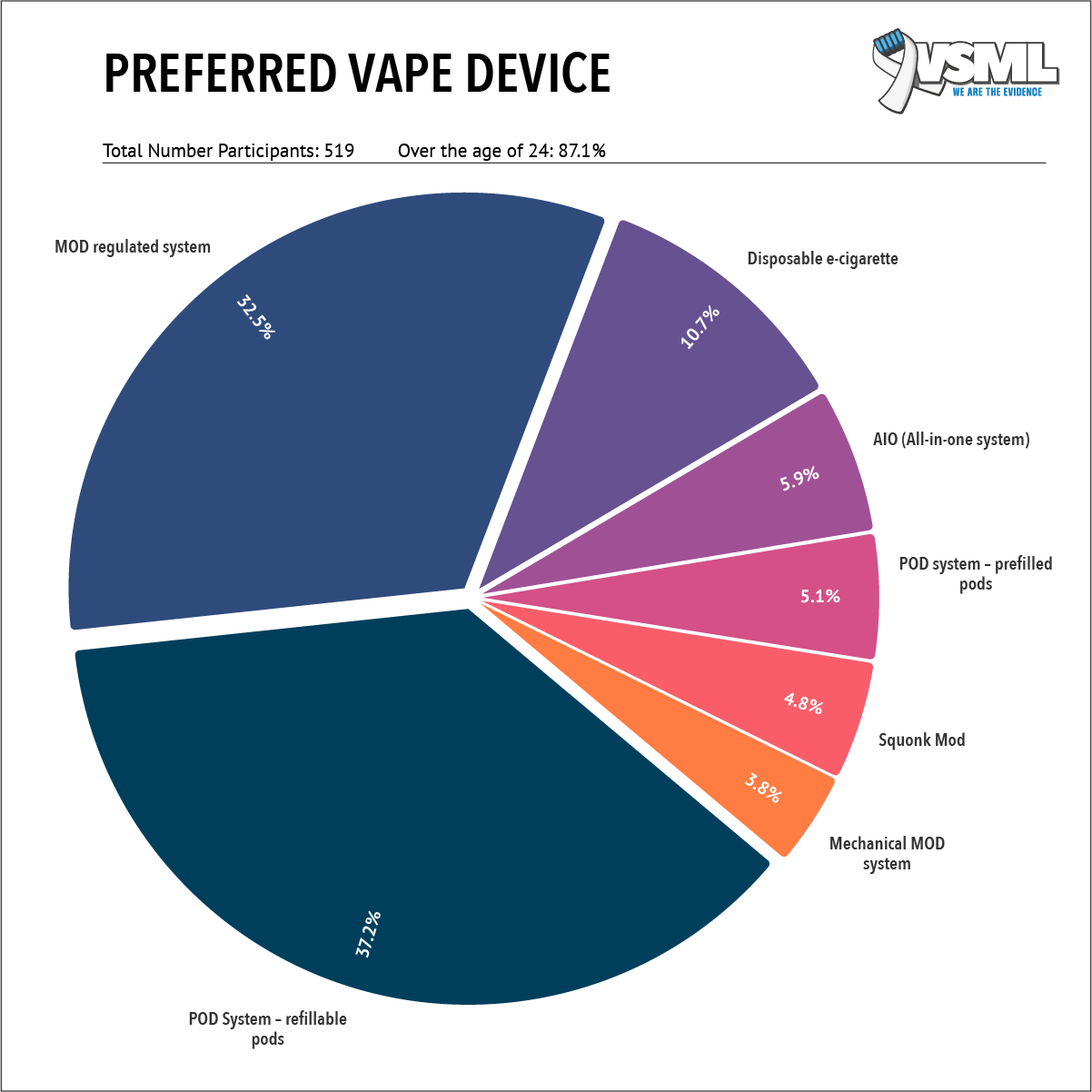
Participants in the VSML survey reported a wide range of preferences in vaping devices, reflecting both personal choice and evolving technology within the vaping community. The two most popular device types were refillable pod systems (37.2%) and regulated MOD systems (32.5%), together accounting for nearly 70% of all responses. This indicates that most vapers prefer customisable, refillable systems that offer flexibility in flavour and nicotine strength — features often associated with sustained vaping and successful smoking cessation.
A smaller portion of respondents favoured disposable e-cigarettes (10.7%), all-in-one (AIO) systems (5.9%), or prefilled pod systems (5.1%). The least common device types were squonk MODs (4.8%) and mechanical MODs (3.8%), which typically appeal to more experienced hobbyist users. Gender differences were notable: women were nearly twice as likely as men to prefer refillable pod systems (47.7% vs 31.5%), while men were more likely to use regulated MODs (39.4% vs 19.5%). This suggests that convenience and simplicity appeal slightly more to female vapers, while men are more represented among those using advanced, customisable setups.
The dominance of refillable and regulated MOD systems among South African vapers mirrors global trends, where such devices are favoured by ex-smokers seeking effective nicotine delivery and flavour satisfaction. These devices typically deliver more consistent performance and cost efficiency than disposable products — an important consideration given South Africa’s economic context.
The relatively low use of disposable vapes (10.7%) is encouraging from both an environmental and regulatory perspective, as disposables are often criticised for waste generation and appeal to younger, experimental users. This pattern reinforces that the VSML vaping community consists primarily of established adult users, not youth or casual consumers.
For policymakers, the prevalence of refillable and MOD systems underscores the importance of access to refill liquids, flavour variety, and customisable nicotine strengths — all of which are essential for sustained cessation success. If future regulations were to restrict these options (for instance, through flavour bans or overly burdensome hardware limitations), the effectiveness of vaping as a harm reduction tool could be severely undermined.
Countries that recognise this distinction, such as the UK and New Zealand, have seen continued declines in smoking prevalence while supporting adult vapers’ access to refillable devices. South Africa’s policy direction could similarly benefit from embracing rather than constraining product diversity, ensuring adult smokers retain the freedom to choose the devices that best meet their needs in their journey away from combustible tobacco.
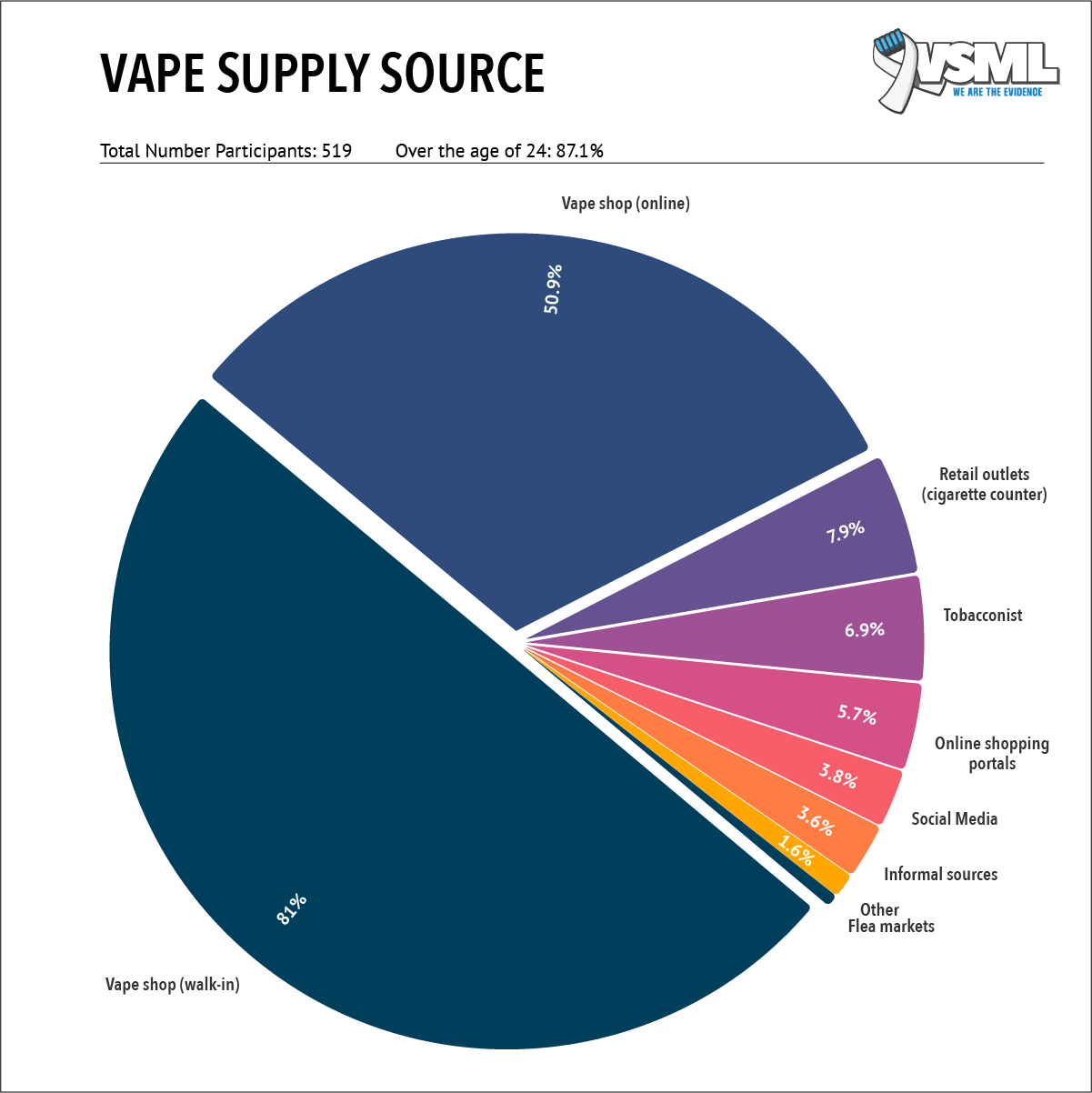
Access to vaping products plays a crucial role in sustaining successful smoking cessation. In the VSML survey, most participants reported buying their vaping supplies through specialised vape shops, either in-store (81.0%) or online (50.9%). This strong reliance on dedicated vape retailers suggests that vapers prefer outlets offering product variety, knowledgeable staff, and reliable after-sales support — all factors associated with sustained switching from cigarettes to vaping.
Only small proportions purchased products from regular retail outlets (7.9%), tobacconists (6.9%), or general online shopping portals (5.7%) such as Takealot or Uber Eats. Even fewer relied on social media sales (3.8%), informal sources like friends or family (3.6%), or flea markets (0.8%). This purchasing pattern highlights that the vaping community in South Africa remains largely organised around specialist retailers, both physical and digital, rather than traditional tobacco channels.
These results illustrate a mature, consumer-driven marketplace where most vapers source products through legitimate, regulated channels. Vape stores — both walk-in and online — have effectively become community hubs for harm reduction, providing guidance on devices, nicotine strengths, and safe product use. This is particularly important in the absence of government-endorsed cessation programs.
However, current policy proposals under the Tobacco Products and Electronic Delivery Systems Control Bill (B33-2022) risk undermining this ecosystem by treating vape retailers the same as tobacco sellers, imposing severe marketing, packaging, and distribution restrictions. Such measures could push consumers toward informal or unregulated markets, which would reduce product safety and oversight — precisely the opposite of public-health goals.
International experience demonstrates the value of maintaining regulated, specialised vape retail sectors. In the United Kingdom, for instance, vape shops are recognised as partners in cessation efforts, with the National Health Service (NHS) even collaborating with select retailers under the “Swap to Stop” initiative to help smokers transition safely. By contrast, jurisdictions that have imposed broad restrictions — such as some Australian states — have seen an explosion in illicit online trade, undermining consumer protection and tax compliance.
South Africa’s survey results show that vapers are already behaving responsibly, buying from established and knowledgeable suppliers rather than informal sellers. The logical next step for policymakers is to support, not stifle, this legitimate supply network, ensuring that adult smokers have continued access to reliable harm-reduction products while keeping them out of youth and illicit markets.
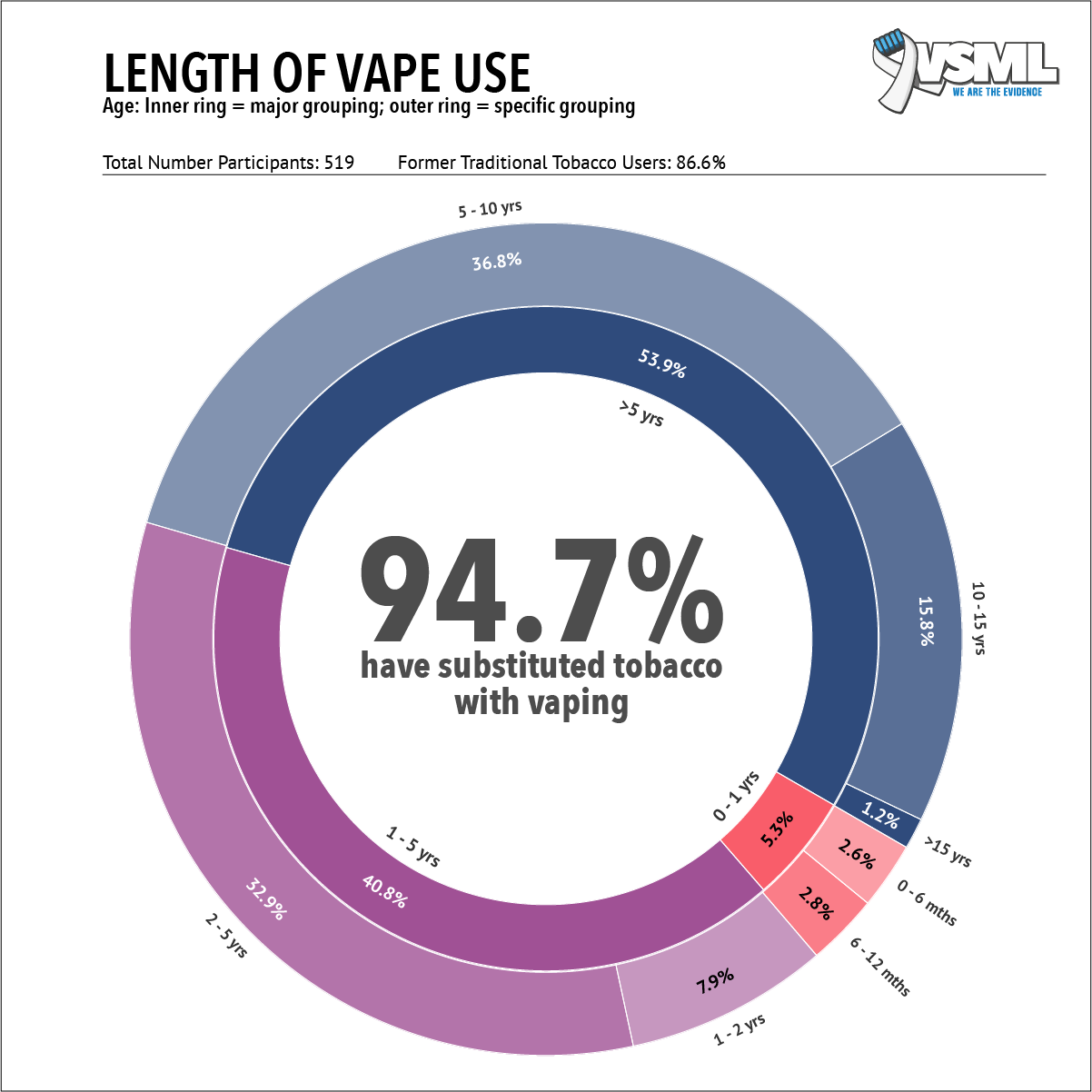
The VSML survey shows that most respondents are long-term vapers, reflecting sustained engagement with vaping as a substitute for smoking. More than a third (36.8%) reported having vaped for 5–10 years, and nearly a third (32.9%) had been vaping for 2–5 years. Another 15.8% had been vaping for 10–15 years, while only a small fraction (5.4%) had started within the last year. A few veteran users (1.2%) indicated more than 15 years of vaping experience — likely early adopters of first-generation e-cigarettes from the late 2000s.
This distribution demonstrates that vaping in South Africa is not a transient or experimental behaviour, but a sustained lifestyle change for many former smokers. The majority of participants have maintained vaping for several years, supporting the notion that vaping provides an effective long-term alternative to smoking. The relatively small number of new users also suggests low rates of recent uptake, further undermining claims that vaping is attracting large numbers of new or youth users.
Gender patterns again align with overall participation trends: men made up the majority in each duration bracket, though women were slightly more represented among those who started vaping within the last two years — possibly reflecting growing acceptance and accessibility among female smokers in recent years.
The sustained duration of vaping among respondents supports international evidence that vaping can be a stable, long-term replacement for combustible tobacco, not merely a temporary cessation aid. Longitudinal studies from the United Kingdom, the United States, and New Zealand have shown that many ex-smokers who switch to vaping maintain their quit status for years without returning to cigarettes. For example, Public Health England’s 2021 review found that smokers who switch to vaping and stay with it are more likely to remain smoke-free after one year compared to those using traditional nicotine replacement therapies.
From a policy standpoint, these findings strengthen the argument for regulatory frameworks that preserve access and product continuity. If vaping helps people maintain abstinence from smoking, then excessive restrictions — such as flavour bans or device prohibitions — could destabilise established quitters, potentially driving them back to combustible tobacco. The duration data also highlights a mature and stable vaping community, one that predates the introduction of the Tobacco Products and Electronic Delivery Systems Control Bill (B33-2022).
Rather than treating vaping as a novelty or emerging risk, South African policymakers should recognise it as a long-standing harm reduction behaviour among adults. Supporting this population through proportionate regulation could consolidate the gains achieved by thousands of smokers who have successfully stayed smoke-free for years.
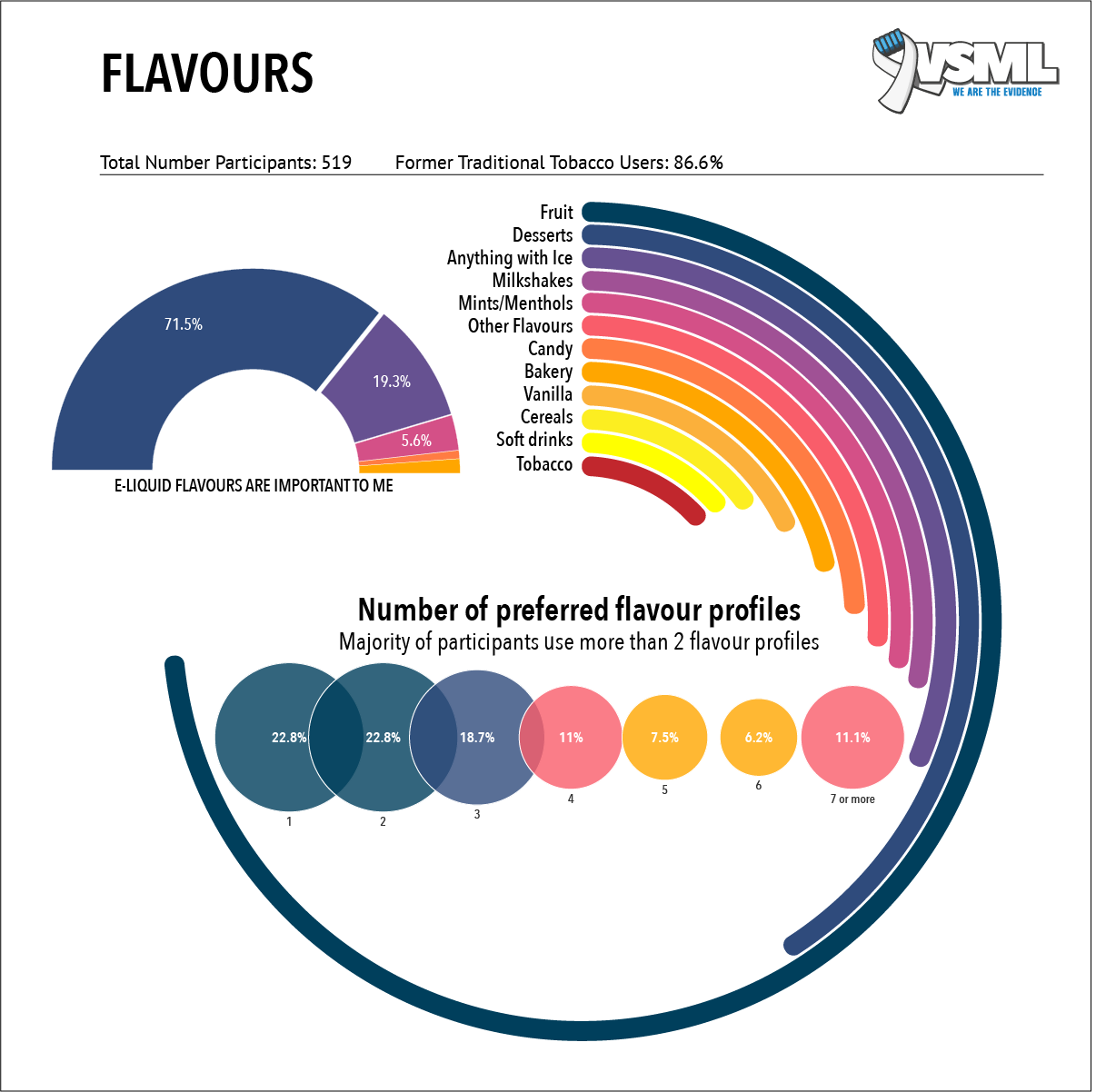
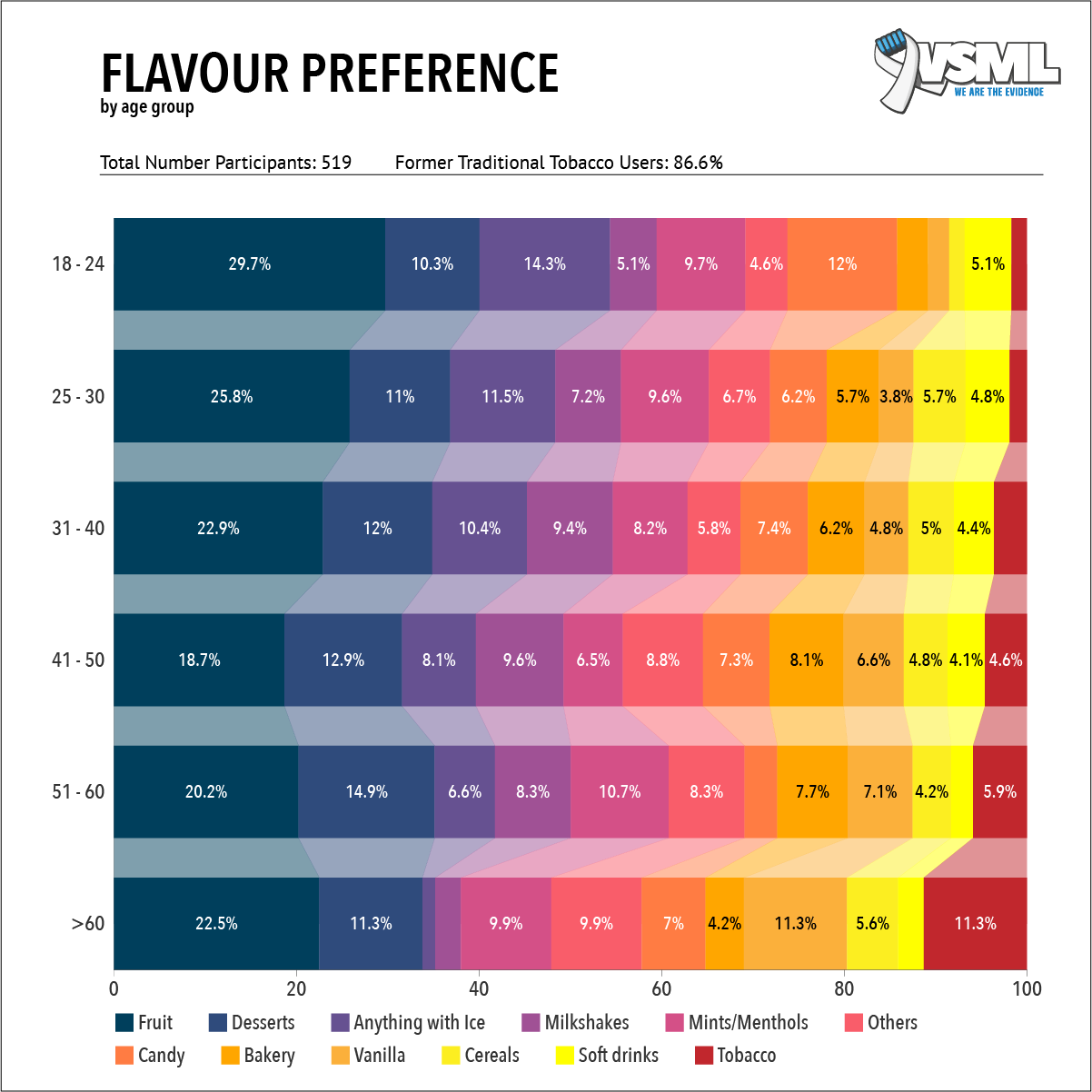
The VSML survey highlights a strong preference for non-tobacco e-liquid flavours among adult vapers, emphasising the importance of variety and sensory satisfaction in sustaining smoking cessation. The most popular categories were fruit flavours (21.9%), followed by desserts and custards (12.2%), and “ice” or menthol-infused options (9.4%). Other common preferences included milkshakes (8.4%), mints or menthols (8.1%), and sweet or candy-like flavours (7.3%). Traditional tobacco flavours accounted for only 4.2% of responses — the lowest-ranked among major categories.
This finding reinforces global evidence that adult smokers who switch to vaping tend to move away from tobacco-flavoured products once they no longer crave the taste of cigarettes. The sensory appeal of fruit and dessert flavours helps de-link nicotine use from the sensory and psychological cues of smoking, making relapse less likely. For many vapers, flavours are not a gimmick but a core harm-reduction feature — a way to maintain satisfaction without returning to combustible tobacco. In a large international study, Farsalinos et al. (2023) found that fruit, dessert/pastry and candy-flavoured e-liquids were by far the most commonly used flavours at the time of smoking cessation among adult vapers — while tobacco-flavoured options were used by only about 9% at the time of quitting.
A diverse range of flavours, often rotating between several profiles rather than sticking to a single one. About 45% of respondents reported regularly using one or two flavour profiles, while the remaining 55% used three or more. Notably, 17.2% said they enjoy six or more flavour types, reflecting both personal variety and product experimentation over time.
This diversity suggests that for many vapers, flavour flexibility enhances satisfaction and sustainability in remaining smoke-free. Just as smokers might switch between brands or variants, vapers appear to adjust flavours based on mood, season, or time of day — a behaviour common in other consumer choices, from coffee to sugar-free drinks.
The role of flavours in vaping mirrors how flavour innovation has supported other public-health interventions. For instance, sugar-free food and drink products often use sweet flavours to encourage healthier choices, while low-fat or plant-based foods are made appealing through taste reformulation. These parallels demonstrate that flavour isn’t about indulgence — it’s about compliance and sustainability. Just as diet sodas or low-calorie yogurts help people maintain healthier lifestyles, flavoured e-liquids help smokers maintain abstinence from cigarettes by providing a satisfying, less harmful alternative.
This concept aligns with behavioural research showing that positive reinforcement — such as enjoyable flavour — increases adherence to safer behaviours. In vaping, that reinforcement helps sustain the switch from smoking, especially during the early stages when cravings and withdrawal are strongest. By contrast, limiting flavour variety can reduce vaping’s appeal, potentially leading to relapse to smoking, as observed in parts of the United States following flavour restrictions.
Given that the vast majority of VSML participants are adults who smoke or formerly smoked, these results directly challenge the notion that flavours primarily attract youth. Instead, flavours appear to serve a therapeutic and harm-reduction function for adults trying to quit tobacco. International experience reinforces this: the UK’s Office for Health Improvement and Disparities (2023) and the New Zealand Ministry of Health (2022) both recognise that flavoured e-liquids play a positive role in adult smoking cessation when marketed responsibly.
For South Africa, where current legislation (the Tobacco Products and Electronic Delivery Systems Control Bill, B33-2022) proposes tight restrictions on flavours, these data should prompt a more evidence-based, proportionate approach. Prohibiting or over-regulating flavours would disproportionately harm adult smokers attempting to quit, while doing little to address youth uptake — a problem that can be mitigated through age verification and marketing controls, not outright bans.
In summary, flavour diversity is a public health asset, not a liability. Just as low-sugar and low-fat alternatives have transformed dietary health, flavoured vaping products enable smokers to transition away from the world’s deadliest form of nicotine delivery — the cigarette.
Nicotine maintains dependence, but most of the major harms from smoking come from the smoke, not the nicotine alone.
This means that for adult smokers, switching to non-combustible nicotine (such as vaping, pouches, heat-not-burn or NRTs) can dramatically reduce harm—even though the nicotine dependence may persist.
From what the scientific evidence shows:
Nicotine by itself does not appear to cause cancer—unlike many of the other chemicals in cigarette smoke.
However, nicotine is highly dependence-forming. It changes brain chemistry, stimulates dopamine release, leads to tolerance, withdrawal symptoms and cravings when it’s removed.
Nicotine also has physiological effects: it can raise heart rate and blood pressure, constrict blood vessels, and may contribute to cardiovascular stress.
- Importantly: because vaping delivers nicotine without combustion, many experts argue that the health risk profile is much lower for a smoker who switches to a nicotine-vapour product than if they continued burning tobacco. For example, a policy review by the Truth Initiative explored how nicotine decoupled from smoke may change how society views nicotine.
The VSML survey reveals a strong trend toward nicotine reduction among adult vapers. Nearly half of respondents (45.3%) reported that they now use a lower nicotine strength than when they started vaping, while only 15.0% said they had increased their nicotine concentration. For 39.6%, their preferred strength has remained stable over time.
This pattern indicates that for most vapers, nicotine dependence tends to decline naturally with sustained vaping. Unlike cigarettes — which deliver sharp, reinforcing nicotine spikes — vaping allows users to self-regulate and gradually taper their intake by adjusting liquid strength, device power, and usage frequency. This “self-titration” effect has been widely observed in international studies, such as those by Farsalinos et al. (2015) and Hajek et al. (2020), which show that many ex-smokers progressively move to lower nicotine levels without formal intervention.
Gender differences were modest: women were slightly more likely than men to maintain the same nicotine strength (44.3% vs. 37%), while men were somewhat more likely to report tapering down. The small proportion who increased nicotine levels (15%) may reflect individuals transitioning from light to heavier devices or adjusting to meet cravings during the initial switch from smoking.
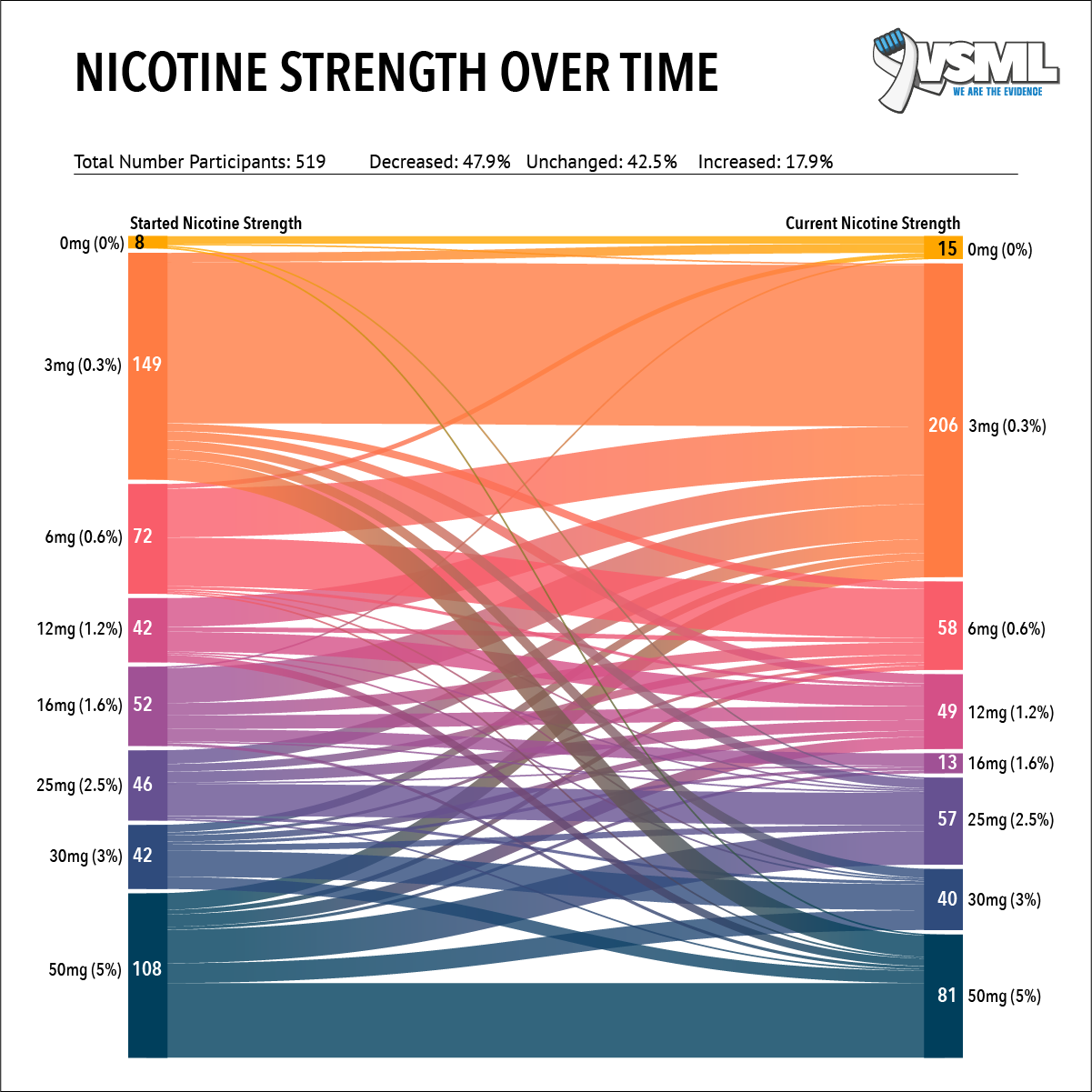
The VSML survey data show a clear and encouraging trend of nicotine reduction among adult vapers over time. Among the 503 respondents, nearly 40% (39.8%) reported using a lower nicotine strength than they began with, 47.1% maintained the same strength, and only 13.1% increased their nicotine level. This demonstrates that for most vapers, nicotine consumption tends to stabilise or decline naturally with continued use.
The most common current nicotine strengths were 3 mg/ml (0.3%) — used by 200 participants — and 6 mg/ml (0.6%), together accounting for more than half of all users. These concentrations are typical of sub-ohm and refillable pod devices, often favoured by former smokers seeking a satisfying but milder nicotine experience. Only 16% used higher-strength products such as 25 mg/ml or above, which are usually associated with compact, lower-power devices or nicotine salts.
Crucially, the pattern of downward movement is strongest among those who started on medium-to-high strengths:
Of those who began at 25 mg/ml, 46% have since reduced their level.
Among those who started at 12 mg/ml, 61% have stepped down to lower strengths.
Even from the highest category (50 mg/ml), more than 40% reduced their intake.
This self-titration behaviour reflects how vapers adapt intake based on satisfaction rather than escalation, supporting the view that vaping does not drive increasing nicotine dependence.
Among participants who altered their nicotine levels, the overwhelming majority who reduced strength did so because the initial level became too strong once they adapted to vaping. Nearly nine in ten respondents (88.8%) cited satisfaction as their main reason for tapering, showing that most users self-adjust to reach a comfortable level rather than pursuing ever-higher doses. About a quarter (25.3%) reduced nicotine for health-related reasons, while smaller shares mentioned device or e-liquid changes (10.5%), cost (3.1%), or other mixed factors (10%).
For those who increased nicotine strength (15% of all respondents), the primary motive was the opposite: 57.9% found their previous strength “too weak,” particularly when transitioning from cigarettes or switching to low-output devices. Another quarter (25%) cited changes in device type or e-liquid formulation, which can affect delivery efficiency. Only a small number (3.9%) said they increased strength due to availability issues, showing that higher-strength use was generally a matter of preference or adaptation, not dependence escalation.
These trends illustrate that nicotine adjustment is largely consumer-driven and self-regulated, reflecting how vaping enables individuals to tailor intake according to need — something impossible with combustible cigarettes.
The reduction pattern observed here supports a key principle of tobacco harm reduction — that when safer nicotine alternatives are accessible, many users naturally move toward lower dependence. This aligns with clinical evidence showing that nicotine in isolation is not the primary cause of tobacco-related disease, but rather the mechanism that keeps smokers attached to harmful combustion.
For public health, this distinction is vital. In the same way that methadone or nicotine replacement therapies (NRTs) provide a safer way to manage dependence, vaping offers smokers a less harmful, self-directed path away from combustible tobacco. Policies that stigmatise or restrict nicotine in all forms risk conflating harm with dependence, discouraging smokers from switching.
South Africa’s Tobacco Products and Electronic Delivery Systems Control Bill (B33-2022) could inadvertently slow harm-reduction progress if it fails to acknowledge these nuances. The VSML data show that adult vapers are not escalating addiction — they’re reducing it voluntarily, guided by personal experience rather than medical oversight. This real-world behavioural evidence is a strong argument for risk-proportionate regulation, not prohibitionist policy.
E-Liquid Opinions: Regulation, Safety, and Consumer Choice
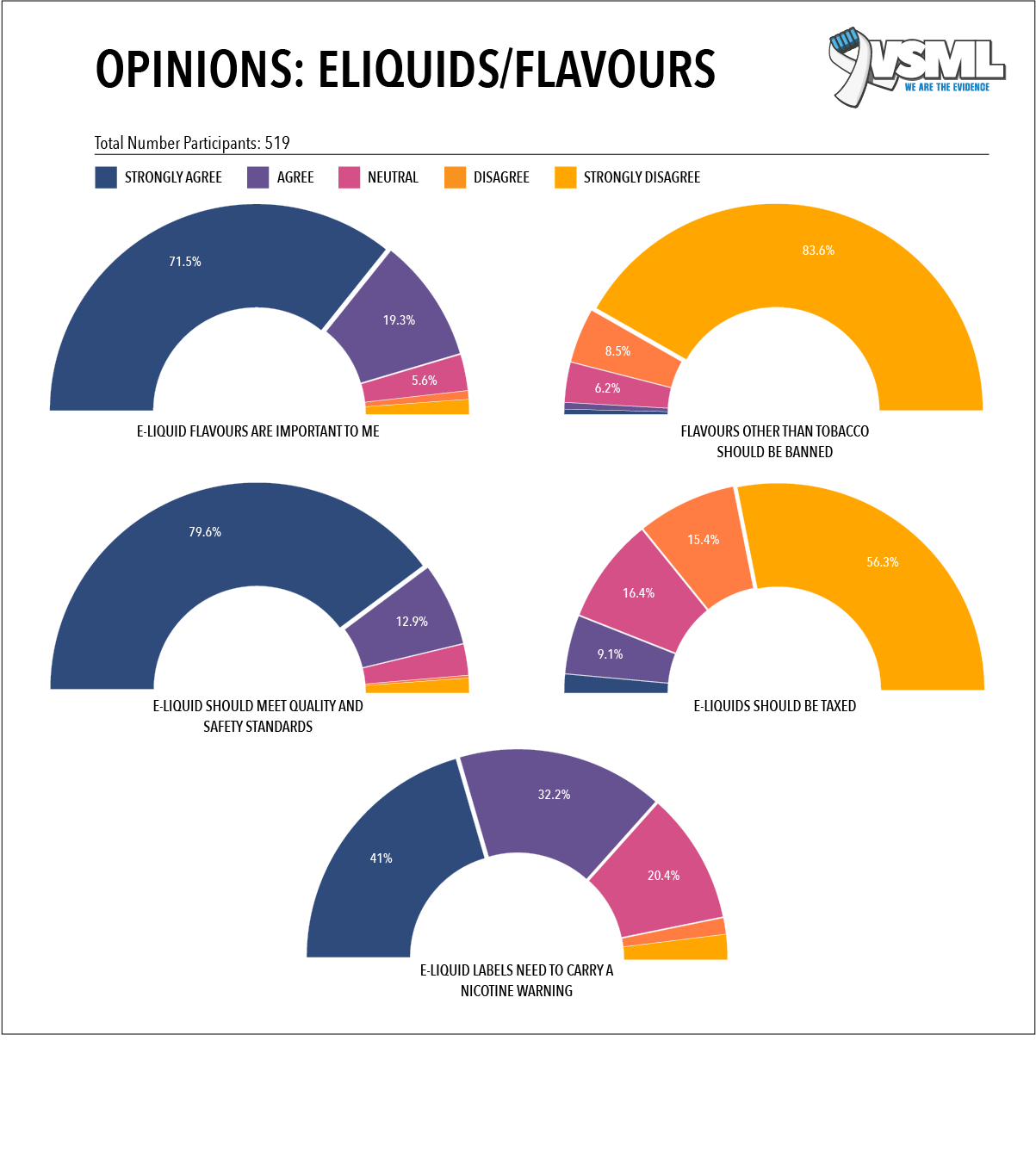
When asked about issues related to e-liquid regulation and consumer preferences, South African vapers expressed overwhelmingly clear opinions.
1. Flavours Matter
A striking 90.8% of respondents (71.5% strongly agree, 19.3% agree) stated that flavours are important to their vaping experience. This aligns with international research showing that flavours play a central role in helping smokers transition away from combustible tobacco. For many, flavour variety not only enhances satisfaction but also breaks the psychological link to the taste and smell of cigarettes, reinforcing long-term abstinence.
The preference for flavours among adults mirrors the use of appealing alternatives in other public health interventions — such as sugar-free products, low-fat foods, or flavoured nicotine replacement gums — which are designed to improve adherence and reduce relapse to harmful behaviours.
2. Opposition to Flavour Bans
The survey found near-unanimous rejection of flavour bans: 83.6% strongly disagreed and a further 8.5% disagreed that “flavours other than tobacco should be banned.” Only 1.8% supported such bans. This is consistent with global data showing that adult vapers overwhelmingly oppose restrictions that would limit their ability to choose satisfying products. Evidence from the U.S., Canada, and the EU has shown that flavour bans often drive consumers back to smoking or push them into unregulated markets, undermining both public health and product safety.
Respondents’ strong opposition highlights a rational distinction: while flavours attract adults to safer nicotine alternatives, they do not inherently lead to youth uptake when enforced age verification and responsible marketing are in place.
3. Safety and Quality Standards
Despite their opposition to prohibitive policies, respondents overwhelmingly support sensible regulation. A remarkable 92.5% (79.6% strongly agree, 12.9% agree) believe e-liquids should meet quality and safety standards. This reinforces that adult consumers are not seeking a “free-for-all” market but rather transparent, evidence-based oversight that ensures product integrity — similar to food, supplements, or pharmaceuticals.
4. Views on Taxation
Attitudes toward taxation were far more divided. A clear majority — 71.7% (56.3% strongly disagree + 15.4% disagree) — opposed the idea that e-liquids should be taxed. Only 12% agreed. Many likely view existing excise proposals as punitive, especially when the products serve as a health-motivated alternative rather than a luxury item. For these consumers, excessive taxation contradicts harm reduction principles and risks making safer products less accessible, particularly for low- and middle-income smokers.
5. Labelling and Warnings
On labelling, respondents demonstrated a nuanced view. About 73% (41% strongly agree, 32% agree) supported including nicotine warning labels, indicating that they value informed consumer choice and transparency. However, one in five (20%) remained neutral, suggesting some uncertainty about how warnings are framed — especially when warnings fail to distinguish between the risks of nicotine and those of smoke inhalation.
Perceptions, Regulation, and Public Understanding
1. Health and Harm Reduction
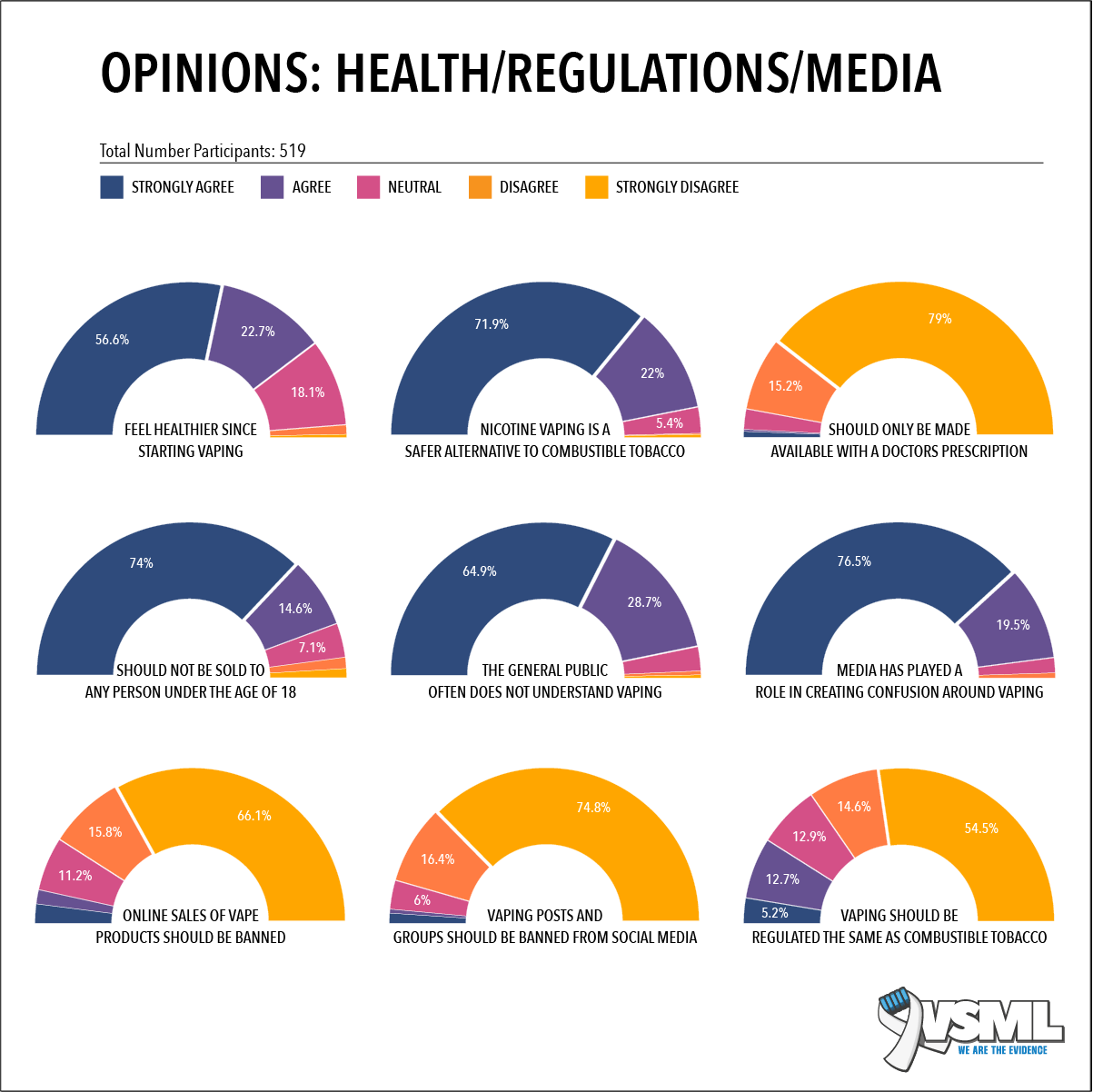
A clear majority of respondents reported feeling healthier since switching to nicotine vaping, with 79.3% (56.6% strongly agree, 22.7% agree) affirming improved well-being. This self-reported benefit is consistent with global findings from long-term observational studies such as those by Polosa et al. (2017, 2019), which found measurable improvements in respiratory function, reduced coughing, and better exercise tolerance among former smokers who switched to vaping.
Equally telling, 93.9% of respondents agreed that nicotine vaping is a safer alternative to combustible tobacco, reflecting strong consumer understanding of harm reduction principles — that it’s not nicotine but the smoke, tar, and combustion by-products that cause the majority of smoking-related diseases. This data demonstrates that adult South African vapers are not confused about relative risks; they correctly identify vaping as a substantially less harmful behaviour.
2. Access and Responsible Use
Respondents overwhelmingly rejected the notion that vaping products should require a doctor’s prescription, with 94.2% disagreeing or strongly disagreeing. This reinforces the principle that harm-reduction tools must remain accessible over the counter, much like nicotine gum or patches, if they are to reach current smokers.
At the same time, there was a strong call for responsible retail controls: 88.6% agreed that vaping products should not be sold to anyone under 18. This consensus aligns with the community’s repeated stance — in both VSML advocacy and industry submissions — that vaping is an adult-only alternative, not a youth lifestyle product.
3. Public Misunderstanding and the Role of Media
Two of the most striking findings relate to misinformation and stigma.
93.6% of respondents agreed that the public does not understand nicotine vaping, and
96% agreed that media coverage has contributed to this confusion.
These insights underscore the communication gap between lived experience and public discourse. The framing of vaping in much of the South African and international media often conflates it with smoking or youth trends, ignoring its impact on adult smoking cessation. Respondents clearly perceive this as a major barrier to informed decision-making and public trust.
4. Online Communication and Access
When asked about restrictions on online or social media, participants again demonstrated a balanced, responsible perspective.
82% opposed banning online sales, recognising digital retail as a lifeline in regions without physical vape stores, especially post-lockdown.
Even more emphatically, 91.2% rejected bans on vaping posts or groups on social media, seeing these platforms as vital for peer support, education, and harm-reduction advocacy.
This feedback is crucial for regulators: rather than restricting communication, platform transparency and verified adult access are the better tools for balancing consumer freedom with youth protection.
5. Proportionate Regulation
Most participants strongly opposed regulating vaping the same as combustible tobacco, with 69.1% disagreeing or strongly disagreeing. This demonstrates a widespread recognition that risk-proportionate regulation — treating lower-risk products differently from cigarettes — is essential for public health. Conflating the two categories would not only be scientifically unsound but also risk discouraging smokers from switching to less harmful options.
6. Recommendations and Confidence
Finally, confidence in vaping as a cessation tool was almost universal:
91.5% would recommend vaping to help someone quit smoking, and
94.2% would recommend it as a safer alternative to smoking.
These responses reflect powerful lived evidence that vaping has enabled thousands of South Africans to quit or drastically reduce cigarette consumption — a finding echoed in similar consumer surveys in the UK, New Zealand, and Canada, where vaping has been integrated into national tobacco control strategies.